Shadab Hasin,Staff Correspondent, Dhaka: Senior journalists and experts at a national consultative meeting on Thursday (June 18) emphasized the urgent need for a comprehensive national policy to ensure the sustainable rehabilitation and protection of climate-induced displaced people in Bangladesh. They also urged the media to play a more investigative and analytical role alongside state initiatives to address this growing crisis.
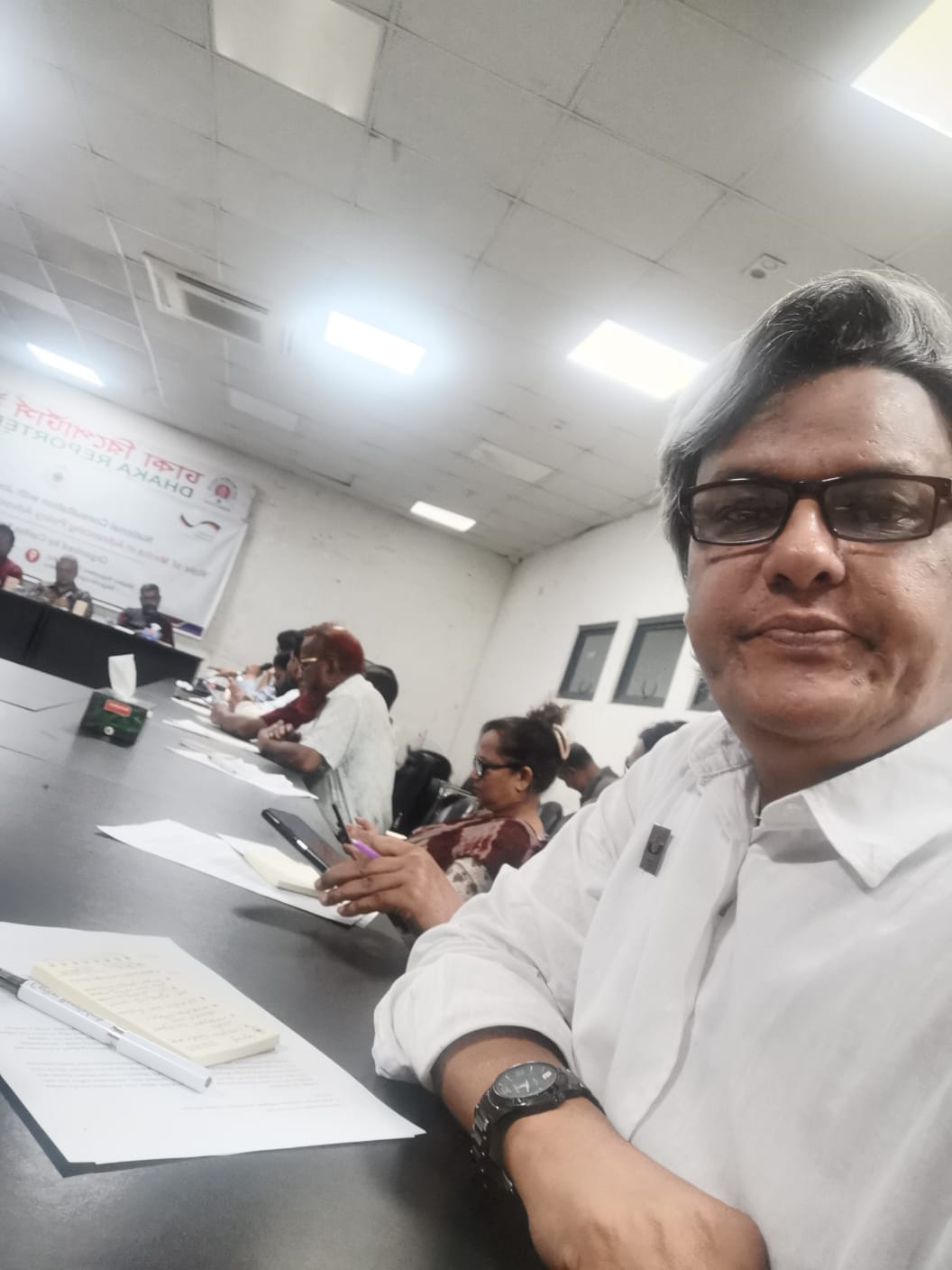
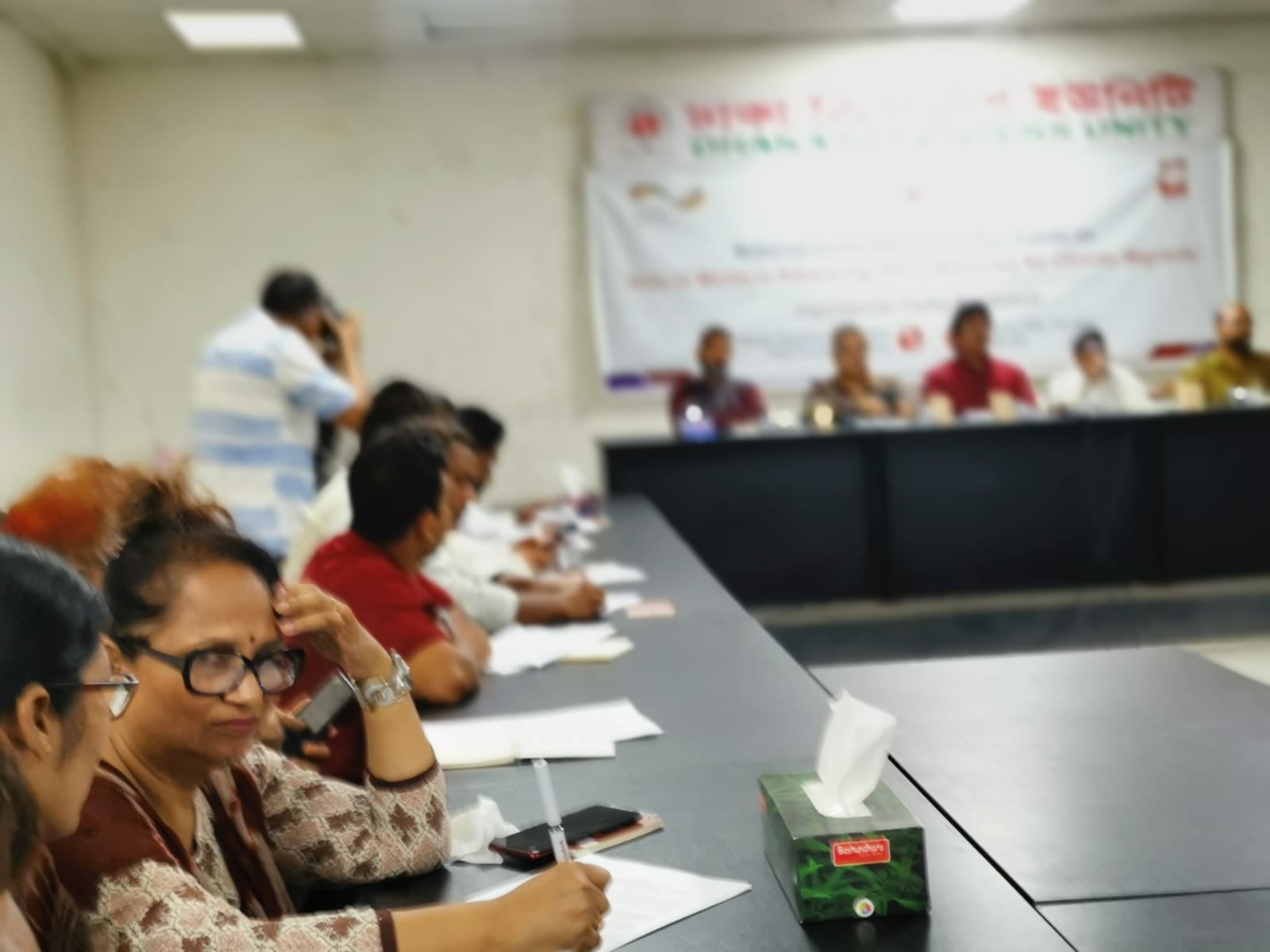
The national consultation, titled p”The Role of Media in Advancing Appropriate Policies for Climate Migrants,” was organized by Caritas Bangladesh at the Dhaka Reporters’ Unity (DRU) auditorium.
Sohrab Hassan, eminent journalist and Editor of Chorcha.com, addressed the event as the keynote speaker. The discussion also featured insights from former DRU President Rafiqul Islam Azad, Executive Member of the Bangladesh Federal Union of Journalists (BFUJ) Shaheen Hasnat, and senior journalist Dr. Dipu Siddiqui. Moderated by Dr. Jamil Ahmed, Technical Advisor (Advocacy) for Caritas Bangladesh, the session opened with a welcome address by Theophilus Nokrek, Director (CDI) of Caritas Bangladesh, and concluded with remarks from Alexander Tripura, Head of the Disaster Management Department at Caritas.
Highlighting the gravity of the situation, veteran journalist Sohrab Hassan noted that the crisis of climate-induced displacement is becoming increasingly multifaceted and invisible, often escaping the attention of policymakers. To tackle this structurally, he proposed considering the formation of a dedicated ministry. He further stressed that due to permanent rural addresses on their national identity cards, climate refugees are systematically deprived of social safety nets and basic rights like housing, education, and healthcare when they arrive in urban areas. He called for synchronized public-private initiatives and urged the government to curb financial waste in climate resilience projects.
Former DRU President Rafiqul Islam Azad described climate migrants as “Climate Warriors,” reflecting on the unyielding resilience of coastal communities in the face of unspeakable hardships. To ensure regular and high-priority media coverage, he proposed establishing a specialized network or forum for journalists, alongside introducing fellowships to encourage depth in climate reporting.
BFUJ Executive Member Shaheen Hasnat pointed out a critical gap in international climate financing. Following Bangladesh’s transition to a developing country status, foreign aid and grants have noticeably dwindled, even as natural disasters intensify. This vacuum, he argued, must be collectively addressed by the state, NGOs, and the media.
 Underscoring the information gap in investigative journalism, Dr. Dipu Siddiqui remarked that while media houses dedicate substantial space to sports and entertainment, the policy deficits regarding climate migrants rarely receive robust analytical coverage. This shortfall is largely driven by a lack of accessible, verified, and updated data for reporters. Bridging this data gap is essential for elevating the crisis in the national media discourse.
During the open discussion, several journalists shared their perspectives, including Jahida Parvin Chhanda, Al Amin Towhid, Jahid Al Amin, Latif Rana, Lokman Kabir, and K M Ashraf Uddin, among others.
 Responding to media queries, Alexander Tripura noted that although Bangladesh’s contribution to global carbon emissions is negligible, its vulnerability remains among the highest. He underscored the need for utmost transparency and proper utilization of international climate funds, alongside prioritizing long-term, complex policy interventions over mere infrastructural upgrades.
According to data presented at the meeting, internal migration driven by cyclones, tidal surges, salinity intrusion, and riverbank erosion in coastal zones is rising sharply. Projections by the Refugee and Migratory Movements Research Unit (RMMRU) and the Sussex Centre for Migration Research (SCMR) indicate that between 1.6 and 2.6 crore people could be internally displaced in Bangladesh due to climate change between 2011 and 2050. Furthermore, a 2023 study by GIZ revealed that 57 percent of the climate migrants seeking refuge in major urban centers like Dhaka, Khulna, and Chattogram originate from the coastal district of Satkhira.
It was also highlighted that Caritas Bangladesh has extended humanitarian support to over 4.7 crore individuals through disaster response and climate resilience programs. Their track record includes constructing over one million houses, setting up 329 cyclone and flood shelters, and training 14,000 community volunteers. Currently, Caritas is implementing a dedicated DRR & CCA project jointly funded by the German Government (BMZ) and Caritas Germany in Khulna and Satkhira to ensure the dignified socio-economic integration of urban climate migrants.